
The right vehicle for the load, not the biggest one available
Five classes from a small van to a 7.5-tonne truck with a tail lift. The estimator picks one for your move; this page shows what each can carry and when it is the right choice.
Vehicle classes
Load space is internal length, width and height. Volumes are the space we plan to, not the bare cube.
Small van
1.8 × 1.2 × 1.2 m · approx. 90 cu ft / 2.6 m³
Boxes, a few small items, single-item deliveries.
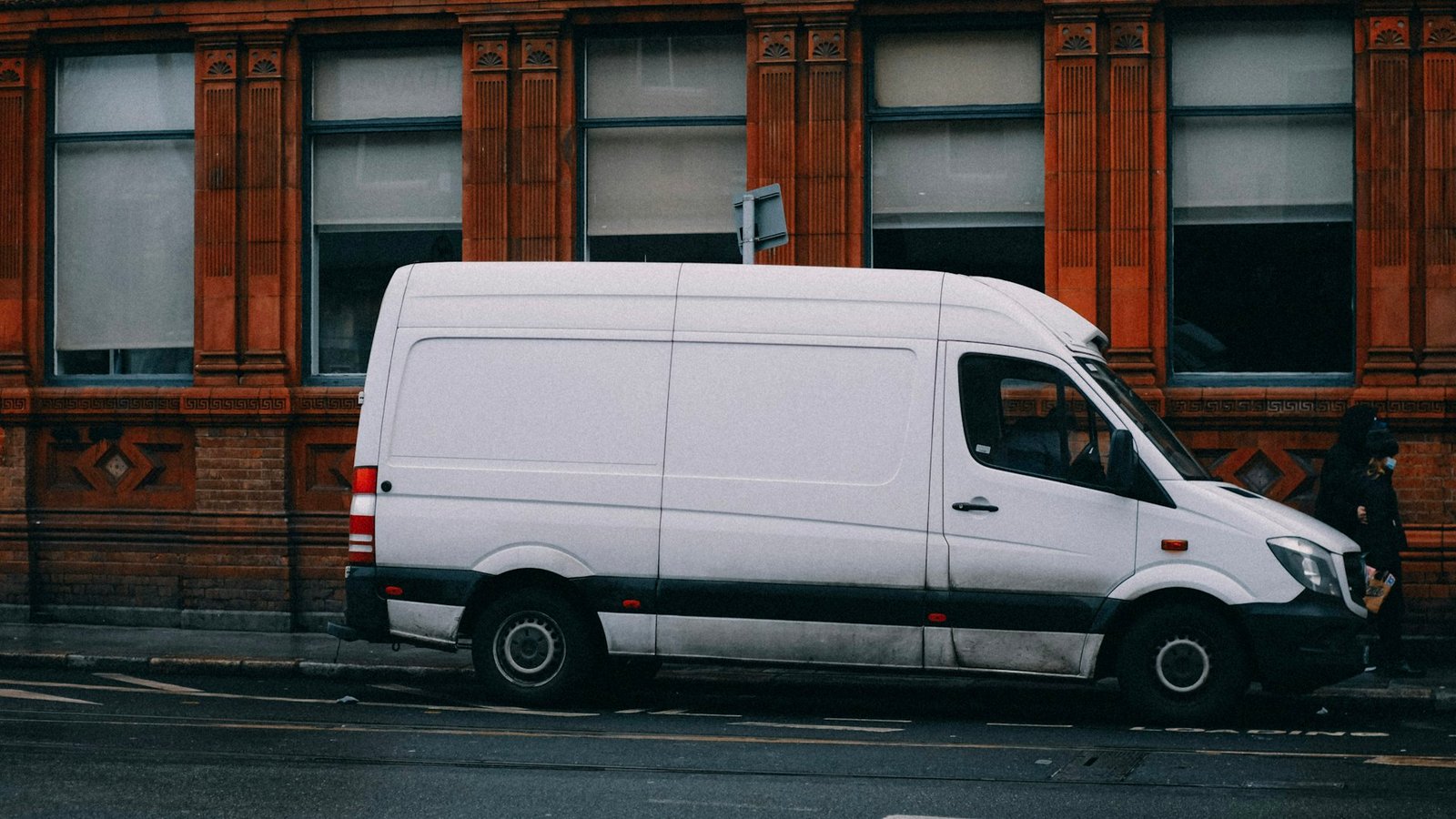
SWB panel van
2.4 × 1.7 × 1.4 m · approx. 200 cu ft / 5.7 m³
Studio flats, student moves, larger single items.
LWB high-roof van
3.4 × 1.7 × 1.9 m · approx. 390 cu ft / 11 m³
One-bedroom flats, small offices, part-loads.
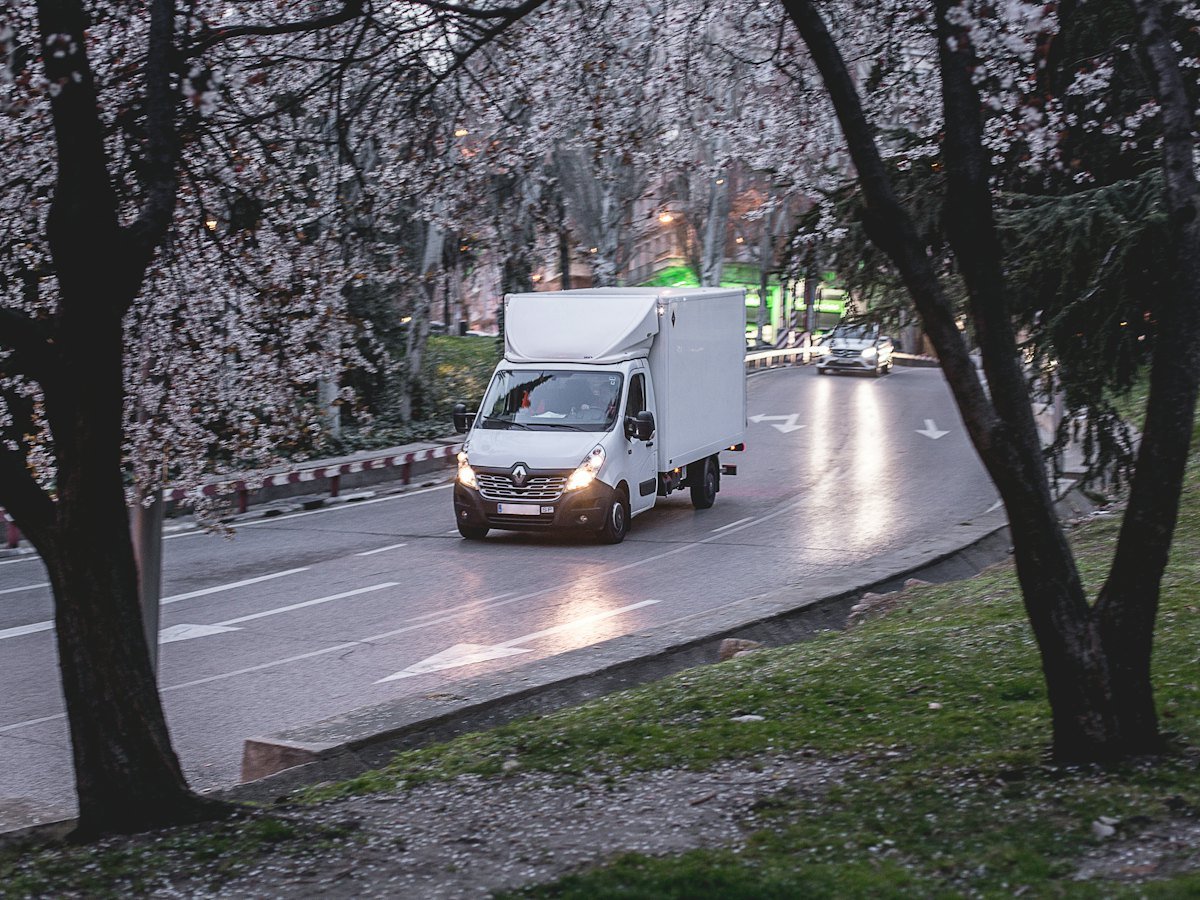
Luton with tail lift
4.0 × 2.0 × 2.2 m · approx. 620 cu ft / 17.6 m³
Two-bedroom homes, heavy appliances, palletised goods.
7.5-tonne box truck
6.0 × 2.4 × 2.4 m · approx. 1220 cu ft / 34.5 m³
Three- and four-bedroom homes, office floors, bulk freight.
At a glance
| Class | Load space (L × W × H) | Planning volume | Typical use |
|---|---|---|---|
| Small van | 1.8 × 1.2 × 1.2 m | 90 cu ft · 2.6 m³ | Boxes, a few small items, single-item deliveries. |
| SWB panel van | 2.4 × 1.7 × 1.4 m | 200 cu ft · 5.7 m³ | Studio flats, student moves, larger single items. |
| LWB high-roof van | 3.4 × 1.7 × 1.9 m | 390 cu ft · 11 m³ | One-bedroom flats, small offices, part-loads. |
| Luton with tail lift | 4.0 × 2.0 × 2.2 m | 620 cu ft · 17.6 m³ | Two-bedroom homes, heavy appliances, palletised goods. |
| 7.5-tonne box truck | 6.0 × 2.4 × 2.4 m | 1220 cu ft · 34.5 m³ | Three- and four-bedroom homes, office floors, bulk freight. |
| Two vehicles / survey | — | above 1250 cu ft | Larger homes and full commercial moves are surveyed and may run on two vehicles or two days. |
Weights matter as well as volume: heavy loads such as books, tiles or machinery can reach a vehicle's payload limit before they fill its space. Tell us about anything unusually dense.
Handling equipment
What the crew works with. It is on the vehicle because the job needs it, not because it looks good on a list.
- Removal blankets and stretch wrap for furniture
- Ratchet straps and load bars
- Sack trucks and four-wheel dollies
- Piano and appliance trolleys with stair capability
- Floor runners and door-frame protectors
- Tail lifts on Luton and 7.5-tonne vehicles
- Pallet truck for tail-lift deliveries
- Tool kit for dismantling and reassembly
- Wardrobe boxes, mattress bags and TV covers
Driver and crew standards
Every driver holds the licence category for the vehicle they are driving, and driving hours for long-distance work are planned within the legal limits before the job is quoted, which is why some long runs are delivered the following morning rather than late the same night.
Crews are briefed on the job before they arrive: the access at both ends, the items that need dismantling, anything fragile or unusual. On arrival they walk the property with you and check the plan against what they can see, because the brief is only as good as what we were told.
Vehicles are checked before each job for the things that matter on the day: straps, blankets, the tail lift, the tyres. A breakdown on the A12 with your furniture on board is the kind of surprise we are in business to avoid.
Send the smallest vehicle that fits, and never one that does not.
A van that is too big costs you money. A van that is too small costs you a second trip. Getting the class right is most of the job of quoting.
Not sure which vehicle your move needs?
The estimator adds up your items and picks a class. Or describe the load and we will.